Compare Local Contractors for Earthwork Grading Projects
Compare local contractors for earthwork grading to clarify project scope, verify experience, and establish clear expectations for successful property improvements.
Earthwork grading involves shaping and leveling the land to prepare it for construction, landscaping, or drainage improvements. This work typically includes tasks such as excavating soil, filling low areas, creating slopes, and ensuring proper drainage pathways. Proper grading helps prevent water pooling, supports foundation stability, and enhances the overall safety and usability of a property. When planning earthwork grading, property owners should clearly define the scope of work to ensure the project addresses specific needs, whether it’s preparing a yard for a new structure or improving drainage around existing features.
Understanding the scope of earthwork grading is essential for setting clear expectations and avoiding misunderstandings with contractors. A well-defined scope includes details about the extent of excavation or fill, desired slope grades, and any specific site conditions that may impact the work. When comparing local contractors, it’s important to verify their experience with similar projects and to review their ability to handle the scope in question. Ensuring that contractors are familiar with local soil conditions and terrain can also influence the quality and durability of the work.
Property owners can make informed decisions by comparing the qualifications and experience of different service providers in the area. Gathering references or reviewing past work can provide insight into a contractor’s capabilities. Additionally, requesting detailed written proposals that outline the scope of work, materials, and methods helps establish clear expectations and serves as a reference throughout the project. By taking these steps, property owners can connect with local contractors who are equipped to deliver quality earthwork grading tailored to the specific needs of their property.
Compare local contractors by outlining project priorities, verifying experience, and clearly defining scope and expectations in writing.
- Compare Contractor Experience - Review the backgrounds and project history of local contractors to ensure they have relevant earthwork grading expertise.
- Define Project Scope Clearly - Establish detailed work requirements and expectations in writing to prevent misunderstandings.
- Verify Credentials and References - Check references and verify experience to select qualified service providers for earthwork grading.
- Set Written Agreements - Confirm all project details, responsibilities, and expectations are documented before work begins.
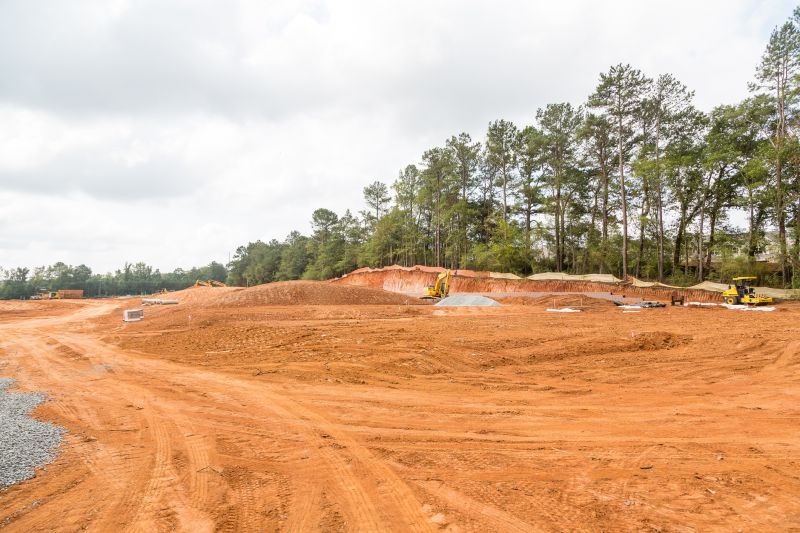
Compare local contractors by clearly describing your project scope, verifying experience, and setting expectations in writing before choosing the right earthwork grading professional.
- Verify experience with earthwork grading projects similar in scope and complexity. - Ensure contractors have a clear understanding of grading requirements and site conditions.
- Define the project scope in writing, including levels, slopes, and drainage specifications. - Clear documentation helps prevent misunderstandings and sets expectations.
- Check references or reviews to assess the quality and reliability of previous earthwork grading work. - Feedback from past clients can provide insight into contractor performance.
- Confirm that service providers are familiar with local soil types and terrain considerations. - Local contractors with relevant experience can better anticipate site-specific challenges.
- Discuss project plans and methods to ensure they align with site conditions and your expectations. - Open communication helps identify potential issues early in the process.
- Request detailed proposals that outline the scope, materials, and methods to compare options effectively. - Written proposals facilitate accurate evaluation and decision-making.
Use this to compare local contractors, clarify scope, verify experience, and set clear expectations in writing.
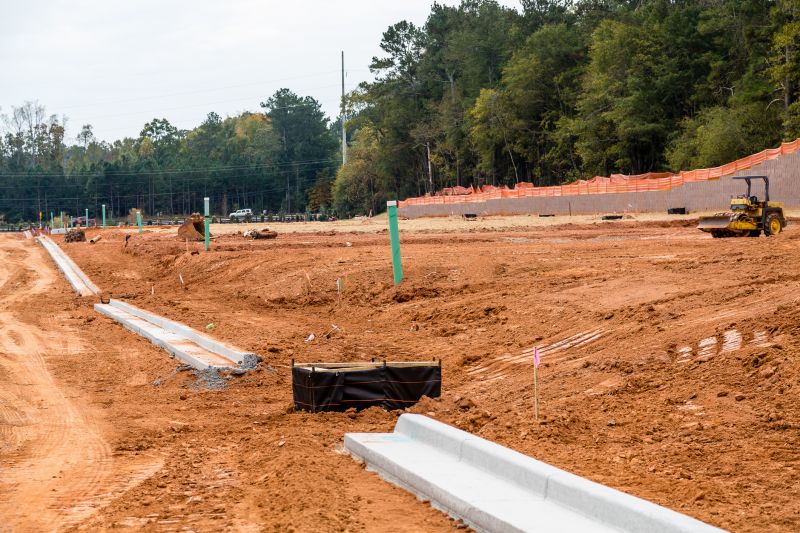
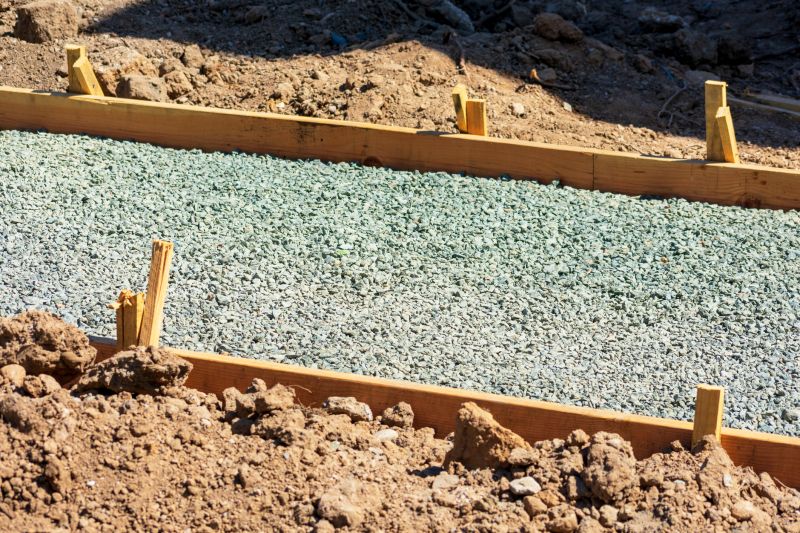
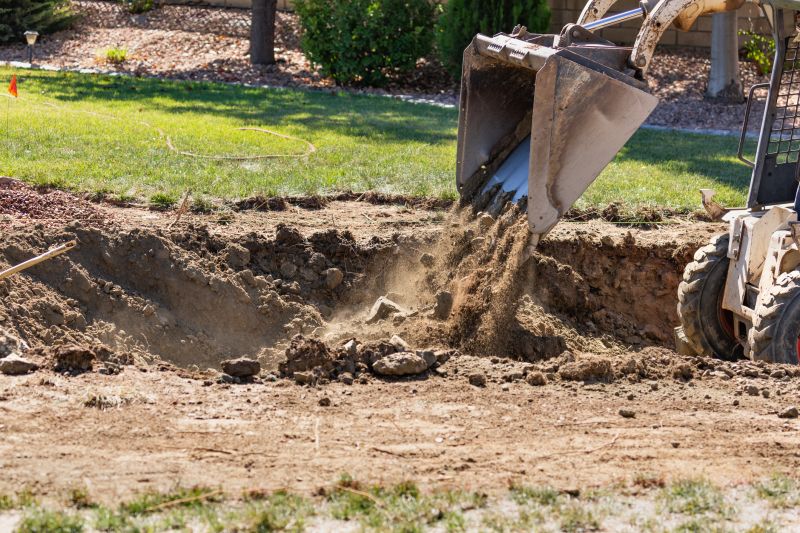
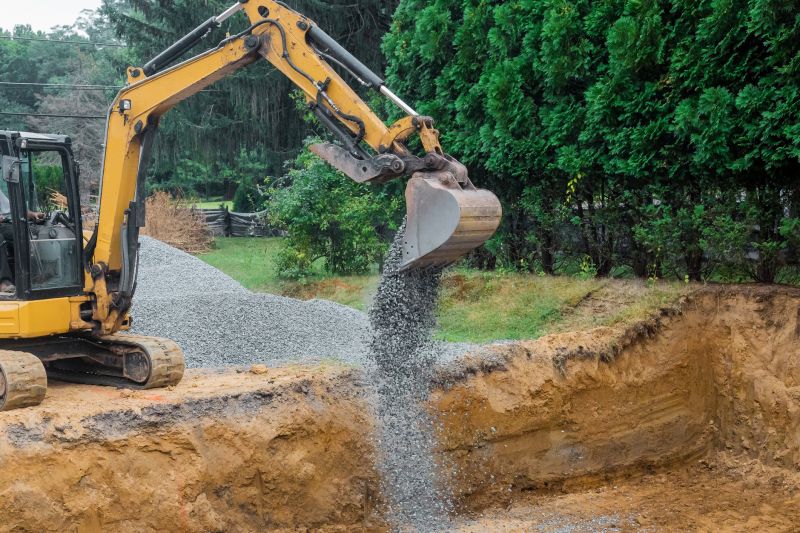
Learn how to compare local contractors for earthwork grading by defining scope, verifying experience, and keeping comparisons consistent.
- Define project scope - clearly outline the specific earthwork grading tasks required for the site.
- Verify experience - ensure service providers have relevant experience with similar earthwork grading projects.
- Assess equipment and methods - confirm that local contractors utilize appropriate tools and techniques for accurate grading.
- Establish communication expectations - specify how project details and changes will be documented in writing.
- Compare credentials and references - review qualifications and seek references to evaluate the reliability of local contractors.
When evaluating contractors for earthwork grading, it’s important to consider their experience with similar projects. Homeowners should inquire about the types of sites the contractor has worked on, such as residential landscapes, commercial developments, or large-scale infrastructure. A contractor with a history of handling projects comparable in scope and complexity can often better anticipate potential challenges and deliver results that meet expectations. Reviewing their portfolio or asking for references related to past earthwork projects can provide insights into their familiarity with the specific demands of site grading.
A clear and detailed written scope of work is essential for effective project planning and managing expectations. Homeowners should seek contractors who can provide a comprehensive description of the work involved, including the extent of earth movement, grading specifications, and any site preparation requirements. A well-defined scope helps ensure that both parties are aligned on the project’s objectives and deliverables, reducing misunderstandings and potential disputes. It’s beneficial to review the scope carefully and ask for clarification on any ambiguous points before moving forward.
Verification of a contractor’s capabilities often begins with understanding their approach to quality assurance and project oversight. Homeowners can ask how the contractor plans to verify the accuracy of grading work, such as through site measurements or inspections during key phases. Confirming that the contractor has established basic verification processes can provide confidence that the work will be executed according to the agreed-upon specifications. While this does not replace formal inspections, it offers a foundation for assessing the contractor’s commitment to quality control.
When comparing different service providers for earthwork grading, it’s important to evaluate their scope of work, experience, and verification methods without focusing solely on price. Homeowners should consider how well each contractor’s approach aligns with the project’s specific needs, including their familiarity with similar sites and their process for ensuring quality. Reviewing written proposals and scope documents side-by-side can help identify which contractors offer clear, detailed plans and demonstrate an understanding of the project requirements. This approach ensures a thorough comparison based on the quality and clarity of the proposed work, leading to more informed decisions when selecting a local contractor.
Request written scope and expectations from local contractors to ensure clear understanding and consistent project outcomes.
- Experience and Expertise - How can I verify a contractor’s experience with earthwork grading projects similar to mine?
- Scope Definition - What specific tasks and responsibilities are included in the proposed scope of work?
- Comparison of Services - How do different contractors’ approaches to grading projects vary in terms of methods and techniques?
- Work Quality and Standards - What quality benchmarks or standards do service providers follow to ensure proper grading results?
- Written Agreements - How should scope details and expectations be clearly documented in the project agreement?
What should I consider when choosing a contractor for earthwork grading? It's important to review their experience with similar projects, verify references, and ensure clear communication about the scope of work to make an informed choice.
How can I compare different earthwork grading contractors? Comparing contractors involves checking their project history, understanding their approach to grading, and ensuring their services meet the specific needs of the site.
What questions should I ask a contractor before hiring for earthwork grading? Ask about their previous experience, how they plan to handle the grading process, and how they define the scope and expectations in writing.
Why is it important to define project scope clearly with a contractor? Clear scope definition helps prevent misunderstandings, ensures both parties agree on the work to be done, and sets realistic expectations for the project.
How can I verify a contractor’s experience with earthwork grading? Request details about past projects similar to yours, ask for references, and inquire about their familiarity with the specific grading requirements of your site.
What role does written documentation play in hiring an earthwork grading contractor? Written documentation of scope, expectations, and project details helps ensure clarity, accountability, and a shared understanding throughout the project.
Understanding the importance of selecting the right earthwork grading contractor is key to ensuring your project meets expectations. Visitors have learned how to clearly define the scope of work, verify the experience of local contractors, and set clear expectations in writing. Comparing multiple service providers helps in making informed decisions and finding the best match for your specific needs.
To move forward, using the quote form to compare local contractors is a helpful step in exploring your options. This allows for straightforward communication and a better understanding of what each service provider offers, helping to identify the best local options for your earthwork grading project.