Get Land Leveling
Land leveling services help property owners smooth and reshape land to address drainage issues, prepare for construction, or improve landscape functionality with the help of local contractors.
Land leveling services are an important step for property owners planning various projects, such as landscaping, construction, or agricultural development. Properly prepared land can improve drainage, create a stable foundation, and enhance the overall usability of a property. For those considering these improvements, exploring local contractors who specialize in land grading can help ensure the work is done efficiently and effectively, tailored to the specific needs of the area.
Property owners in the area might turn to land leveling to address uneven terrain, prevent erosion, or prepare land for future development. Comparing different local service providers can help identify experienced contractors capable of handling the scope of the project. Keep reading to learn more about how local professionals can assist with land leveling needs and how to find the right fit for your property.
- Residential Land Leveling - homeowners may need land leveling to prepare yards for landscaping or construction projects.
- Agricultural Land Preparation - farmers often require land leveling to improve irrigation efficiency and crop yields.
- Construction Site Grading - builders seek land leveling services to create stable foundations for new structures.
- Drainage Improvement - property owners may need land leveling to address water pooling or improper drainage issues.
- Commercial Property Development - developers look for land leveling to ensure even surfaces for building and infrastructure.
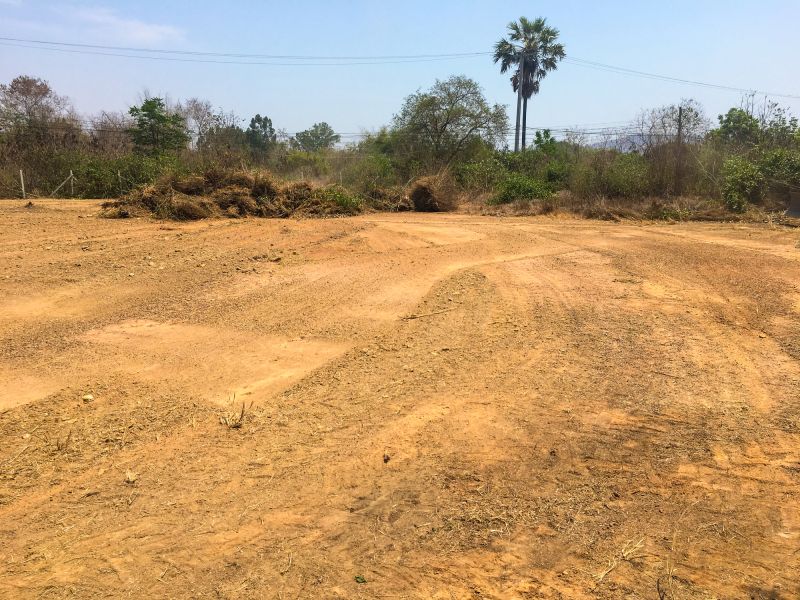
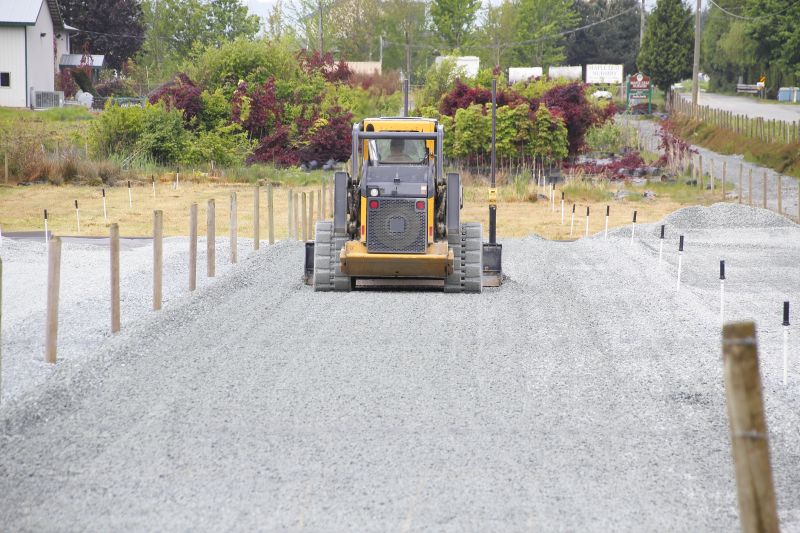
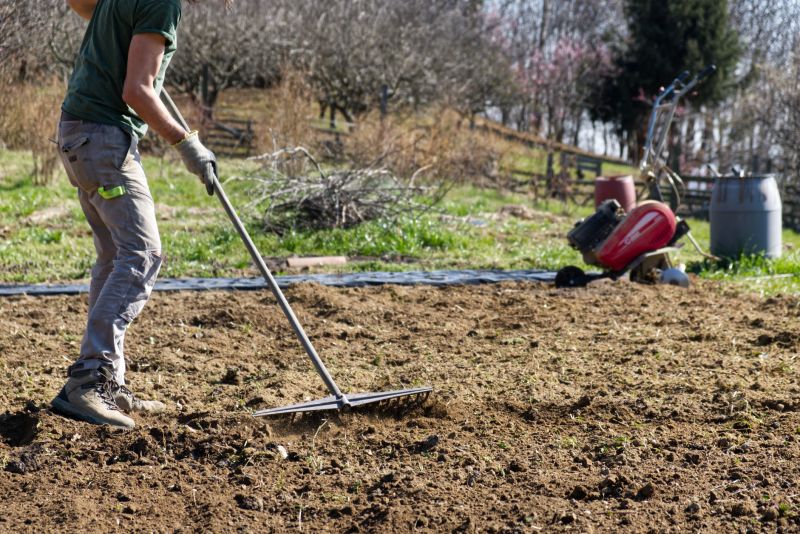
Land leveling services involve adjusting the surface elevation of a property’s soil to create a smooth, even terrain. This process typically uses specialized equipment to fill in low spots and remove high points, resulting in a uniform surface across lawns, gardens, or construction sites. Proper land leveling can improve drainage, prevent water pooling, and prepare the ground for planting, construction, or other outdoor projects. By achieving a consistent slope and flatness, property owners can enhance the usability and appearance of their land with professional assistance from local contractors.
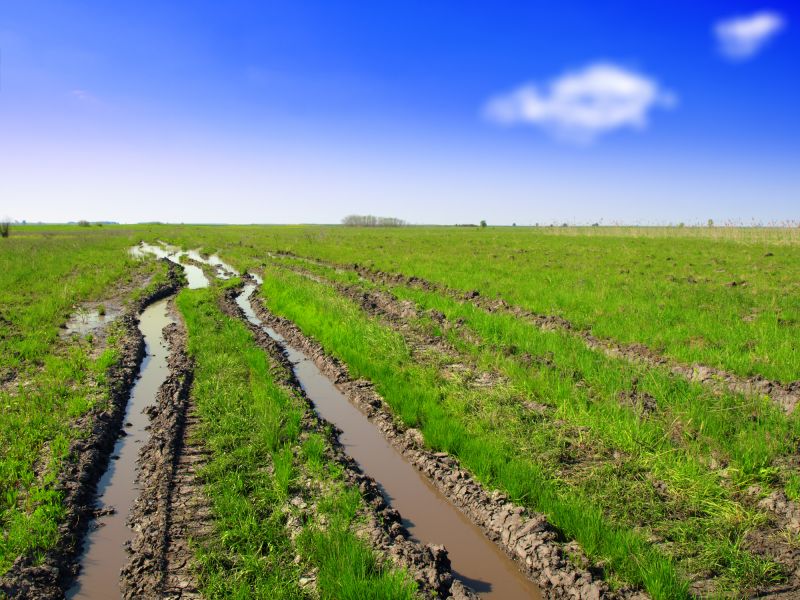
This service is particularly valuable for addressing common problems such as uneven ground, persistent puddles, or erosion issues that can damage landscaping or hinder construction efforts. When the terrain is irregular, it can lead to water runoff problems, soil erosion, and difficulty maintaining healthy lawns or gardens. Land leveling helps to resolve these issues by directing water away from structures and minimizing soil displacement. It also provides a stable foundation for installing features like patios, driveways, or irrigation systems, making it a practical solution for property owners facing drainage or grading concerns.
Typically, land leveling services are used on residential properties, including yards, gardens, and driveways, as well as on larger plots of land for agricultural or commercial purposes. Homeowners with uneven lawns or areas prone to flooding often seek this work to improve safety and usability. Farmers and landowners may also utilize land leveling to prepare fields for planting, ensuring proper water distribution and crop growth. Regardless of property size, local service providers can tailor land grading solutions to meet specific needs, whether for aesthetic improvements or functional land management.
Choosing to work with local contractors for land leveling ensures access to experienced professionals familiar with the area's soil conditions and landscape challenges. These service providers use specialized equipment and techniques to deliver precise results, helping property owners create safe, functional, and attractive outdoor spaces. Contacting local pros can provide the expertise needed to assess terrain issues, recommend appropriate solutions, and carry out the work efficiently. Land leveling is a practical step for those looking to improve drainage, prevent erosion, or prepare their land for future use.
The overview below groups typical Land Leveling projects into broad ranges so you can see how smaller, mid-sized, and larger jobs often compare in your area.
In many markets, a large share of routine jobs stays in the lower and middle ranges, while only a smaller percentage of projects moves into the highest bands when the work is more complex or site conditions are harder than average.
Small-Scale Land Leveling - typical costs range from $250-$600 for many routine jobs such as yard adjustments or minor grading. These projects usually involve modest areas and are often completed quickly by local contractors.
Medium Land Leveling Projects - costs generally fall between $600-$2,500 for larger residential or commercial sites requiring more extensive grading or soil redistribution. Many of these projects land in this middle range, depending on size and complexity.
Large or Complex Land Leveling - larger, more intricate projects can reach $2,500-$5,000 or more, especially when involving significant earthmoving or preparing land for construction. Fewer projects push into this higher tier, but costs can vary based on site conditions.
Full Land Regrading or Replacement - comprehensive overhauls, including complete removal and replacement of soil, often cost $5,000+ for substantial properties or commercial sites. These are less common and typically reserved for major land development projects.
Actual totals will depend on details like access to the work area, the scope of the project, and the materials selected, so use these as general starting points rather than exact figures.
Excavation Projects - excavation work requires similar skills in site assessment, soil management, and the use of heavy machinery as land leveling services.
Grading and Drainage Projects - grading involves shaping the land for proper drainage, which shares planning and equipment needs with land leveling tasks.
Site Preparation Services - preparing a construction site often includes soil leveling and compaction, requiring comparable techniques and tools used by land leveling professionals.
Agricultural Land Clearing - clearing and preparing farmland involves soil assessment and leveling to optimize land for planting, utilizing similar equipment and planning.
Foundation Excavation - excavation for building foundations involves precise soil removal and leveling, aligning with the skills used in land leveling projects.
Road Construction Grading - grading for roads demands soil movement and leveling expertise, making it closely related to land leveling services offered by local contractors.
When comparing land leveling service providers, it’s important to consider their experience with similar projects. Look for local contractors who have a proven track record of handling land leveling tasks comparable to your property’s size and terrain. Contractors with relevant experience are more likely to understand the specific challenges that can arise and know how to address them efficiently, helping to ensure the project is completed smoothly and effectively.
Clear written expectations are essential when choosing a land leveling provider. A reputable local contractor should be able to provide detailed descriptions of the scope of work, methods used, and the materials involved. Having these details in writing helps prevent misunderstandings and ensures that both parties are aligned on the project’s goals. It’s also wise to ask for reputable references or examples of previous work, which can offer insight into the quality and reliability of the service provider’s past projects.
Effective communication plays a key role in a successful land leveling project. Local service providers who are responsive, transparent, and willing to answer questions can make the process more straightforward and less stressful. Good communication helps clarify expectations, address concerns promptly, and build trust throughout the project. Remember, the site introduces homeowners to local options, not that it performs the work itself, so it’s important to evaluate each contractor’s ability to communicate clearly and deliver on their commitments before making a decision.
Property owners use Land Leveling services for practical projects around their homes and businesses. This guide focuses on everyday jobs and straightforward project options.
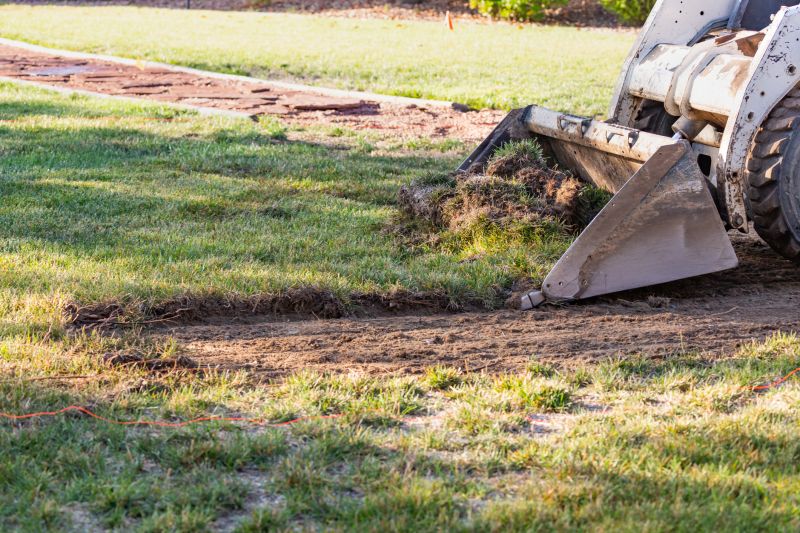

Land leveling services are often needed when property owners want to prepare land for construction, gardening, or other outdoor projects. Whether establishing a new lawn, creating a level foundation for a shed, or ensuring proper drainage around a property, local contractors can provide the necessary grading and soil adjustment work to meet these needs. These services help improve the usability and safety of outdoor spaces, making them more functional and accessible for everyday activities.
Homeowners and landowners in the area may seek land leveling to address uneven terrain caused by natural settling, erosion, or previous construction. Properly leveled land can also prevent water pooling and erosion issues, protecting property value and reducing maintenance concerns. Local service providers are equipped to handle various project sizes, offering practical solutions for property owners looking to enhance their land for personal or commercial purposes.
What is land leveling? Land leveling involves grading the land surface to create a flat or uniformly sloped area, which can improve drainage and prepare the site for construction or farming.
Why should I consider land leveling services? Land leveling can help prevent water pooling, enhance crop growth, and improve the overall usability of a property by providing a stable, even surface.
What types of land require leveling? Sloped, uneven, or hilly terrains often benefit from land leveling to ensure proper drainage and a more functional landscape.
How do local contractors perform land leveling? Contractors typically use grading equipment and techniques to carefully remove or add soil, achieving the desired level or slope based on project needs.
What factors influence the suitability of land for leveling? The soil type, existing terrain, and intended use of the land are key factors that determine whether land leveling is appropriate and how it should be carried out.
Prepare land for construction - Land leveling services can create a stable, even surface ideal for building foundations or other development projects.
Improve drainage and prevent erosion - Proper land grading helps manage water flow, reducing the risk of flooding or soil erosion around a property.
Establish a level yard or garden - Land leveling provides a flat surface for landscaping, lawn installation, or garden planning.
Expand usable outdoor space - Leveling uneven terrain allows for better utilization of outdoor areas for recreation or additional structures.
If you are thinking about Land Leveling for a property, this guide is meant to help you understand the work, the typical project types, and how different options might fit your plans.
When you are ready, you can use the quote form on this page to share a few details about your project. From there, local pros can review the basics and respond with options that match what you have in mind.